Landscape design is often confused with ’garden landscaping’. Professional landscape design is a much broader process: it means planning, developing and delivering a site holistically in functional, aesthetic and environmental terms.
In this guide we look at what professional landscape design is, which disciplines it covers, what the process involves and what to look for in a high-quality landscape project. We aim to be a comprehensive reference for anyone making landscape decisions, from housing projects to hotels and from urban spaces to commercial buildings.
The Difference Between Landscape Design and Gardening
This distinction may seem small, but it directly affects a project’s success.
Gardening is concerned with the plant care and upkeep of an existing space. It covers operational tasks such as pruning, watering, mowing and seasonal planting.
Landscape design, on the other hand, is the planning of a site from scratch or together with what already exists. Topographic analysis, climate and soil assessment, use scenarios, infrastructure planning, the plant palette, hardscape design, irrigation and lighting systems and water features all fall within the scope of landscape design.
In short: gardening maintains a space, landscape design creates one.
The Scope of Professional Landscape Design
A professional landscape project brings together several areas of expertise. Companies that can manage all of these disciplines under one roof can deliver a project consistently and efficiently.
Landscape Architecture and Design
This is the stage that sets the visual and spatial language of the project. The organisation of areas of use, the plant palette, hardscape choices, focal points and the overall form take shape here. Visualisation and drawings let decision-makers see the project before it is built.
You can find detailed information about our landscape design and visualisation services.
Softscape Installation
This means bringing the plant palette set in the design to life with the right species, sizes and techniques. Tree and shrub planting, turf laying, hydroseeding, seasonal plants, ground covers and maintenance work all fall within this scope.
You can find detailed information on our softscape services page.
Hardscape and Infrastructure
These works form the structural backbone of the landscape. Stone paving, concrete surfaces, timber decking, metal structures, pergolas, water features, drainage and irrigation infrastructure, and electrical and lighting lines are planned and installed within this scope.
You can find out more about our hardscape works and landscape infrastructure services.
Specialist Works
Providing a complete service in specialist areas such as green roofs, vertical gardens, interior landscaping, water features, sports grounds and landscape lighting is essential to an integrated landscape project. You can explore all our services.
The Landscape Design Process: Step by Step
A professional landscape project follows a disciplined process. Each step forms the basis for the next; skipped steps come back later as revisions and extra costs.
1. Survey and Analysis
The project site is examined in detail. The slope, sun exposure, prevailing wind, soil structure, existing plants and infrastructure are recorded. The client’s use scenarios, aesthetic preferences and budget are clarified at this stage.
Design without this analysis remains guesswork. Projects that skip the survey stage usually face major revisions during construction.
2. Concept Design
Based on the analysis, the project’s overall form, areas of use and atmosphere are defined. Alternative concepts are presented and the direction is decided together with the client. This stage sets the spirit of the design.
3. Preliminary Design and Visualisation
A detailed preliminary design is developed from the chosen concept. The plant palette, paving choices, infrastructure plan and the position of every element are finalised at this stage. Visualisations show the client what the finished project will look like.
Visualisation allows possible changes to be identified before construction begins. This is a critical advantage in terms of both time and cost.
4. Final Design and Technical Drawings
The approved preliminary design is turned into technical drawings for the construction team. Construction details, material specifications and irrigation and lighting diagrams are completed at this stage.
5. Construction
Site work is carried out in line with the technical drawings. The correct order is: infrastructure first (drainage, irrigation and electrical lines), then hardscape, and planting last. This order is essential both for practical reasons and to protect the plants.
During construction, site management, material tracking and quality control should be carried out by a professional team.
You can find out more about Işık Peyzaj’s turnkey construction services.
6. Maintenance and Long-Term Management
The first year after installation is a critical period for establishment. Regular watering, fertilising, pruning and system checks must not be neglected during this time. Long-term maintenance agreements ensure the landscape keeps its value and continues to develop.
Landscape Design by Project Type
While the principles of landscape design are universal, the approach differs fundamentally depending on the project type.
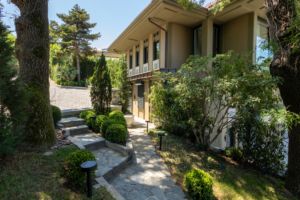
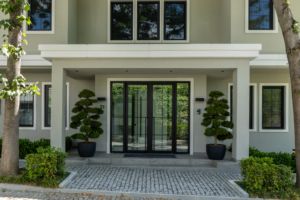
Homes and Villas
Private use, aesthetics and privacy come first. Integrating the design with the architecture of the house, positioning seating and use areas correctly and ease of maintenance are the defining criteria for residential projects.
Housing Developments and Residential Complexes
Managing shared areas, low maintenance costs and longevity are the main priorities. In complexes with thousands of homes, decisions on plants, irrigation systems and paving are assessed together with economies of scale.
See our references for our housing development and residential complex landscape projects.
Hotels and Resorts
Guest experience, brand identity and operational efficiency are designed together. The pool surrounds, entrance axes, restaurant terrace, spa garden and the wider landscape must all work in a consistent language.
You can see the experience we have gained on prestigious projects such as Vakko Hotel Sumahan Bosphorus, Kempinski Residences Alaçatı and Rixos Hotel Tersane Istanbul on our references page.
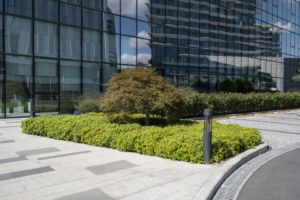
Commercial Buildings and Shopping Centres
Corporate identity, resistance to heavy use and sustainability come first. Building entrances, terraces, roof gardens and interior landscaping complete commercial projects.
Public Spaces and Urban Projects
In public spaces that serve large numbers of people, accessibility, resistance to vandalism and long-term sustainability are central to the design. City parks, pedestrian routes, squares and school grounds fall into this category.
What Makes a High-Quality Landscape Project
An Integrated Design Approach
Planting, hardscape, infrastructure and lighting need to work within a single design language. This integration is only possible with a single team managing every process. Projects split between different companies usually give inconsistent results.
Technical Competence and Certification
Landscape works are subject to technical standards. Compliance with international standards such as the ISO 9001 quality management system and TSE certification is an important indicator that safeguards a project’s quality.
Sustainability
Long-lasting, low-maintenance and environmentally responsible choices of materials and plants are key criteria for a high-quality landscape project. Water-saving irrigation systems, a climate-appropriate plant palette and durable paving materials bring both environmental and financial benefits in the long run.
Construction Experience and References
However strong the design, an inexperienced construction team can turn a project into a disappointment. Seeing similar projects of the same scale and type that a company has already completed is the most reliable reference when deciding.
Common Mistakes in Landscape Projects
Skipping the survey and analysis stage. Design decisions made without site analysis lead to major revisions during construction.
Choosing plants unsuited to the climate and region. Plants chosen for looks but not suited to local conditions suffer over time and create replacement costs.
Leaving infrastructure until later. Irrigation and electrical infrastructure should be installed before planting. Adding them later costs more and damages existing work.
Taking handover without planning maintenance. Even the best landscape project loses its value within a few seasons if it is not maintained.
Choosing a company on price alone. Deciding without understanding what compromises the lowest bid involves in plant quality, workmanship and materials leads to higher costs in the long run.
Professional Landscape Services with Işık Peyzaj
At Işık Peyzaj we manage the entire process under one roof for homes, villas, residential complexes, hotels, commercial buildings and public spaces, from design to construction and from maintenance to technical infrastructure.
Our ISO 9001 certified quality management system, our team of experienced landscape architects and agricultural engineers, and the experience we have gained on projects for leading Turkish brands are the value we bring as standard to every new project. You can explore our reference projects or request a meeting about your project through our contact page.