
The basic idea of this movement is to let nature run free rather than control it — in other words, not to interfere with nature.
In landscape architecture, this means:
• Creating low-maintenance landscapes (low intervention)
• Creating natural meadows
• Carrying out work that encourages wildlife
It is a movement that has been widely used recently by councils and in public spaces in Britain in particular.

What Is Rewilding Gardening?
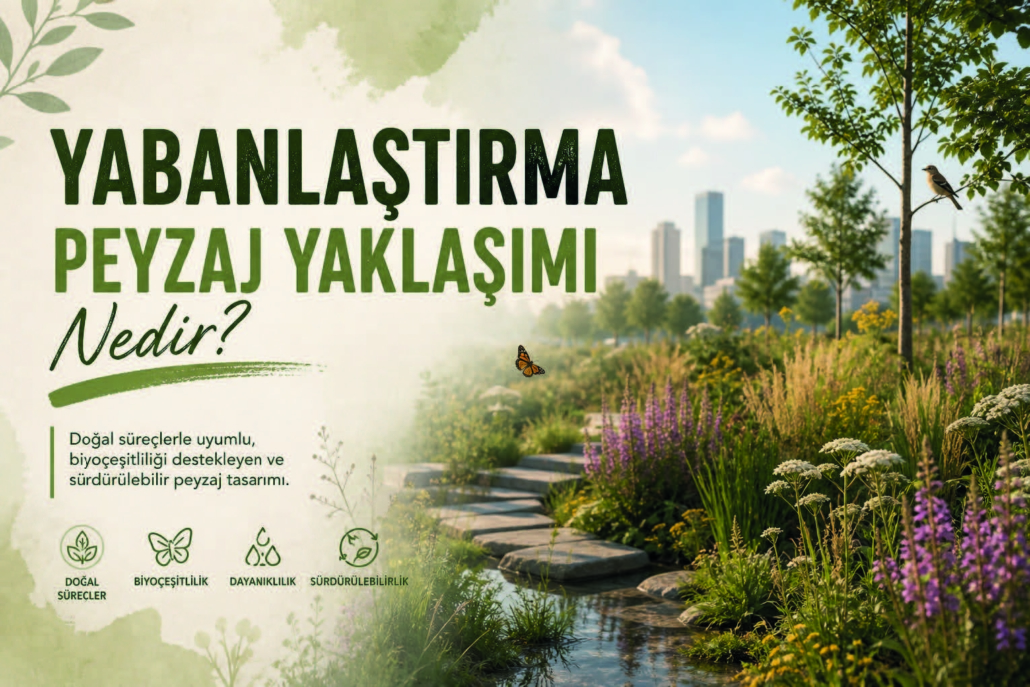
Rewilding is an ecological design approach that frees nature from human intervention as far as possible and allows it to renew itself.
In landscape architecture, rewilding does not mean ’controlled naturalness’; it means making room for nature to rebuild its own system.
The Basic Principles of Rewilding Gardening
1. Reducing Intervention in Nature
• Pruning is kept to a minimum
• No chemical fertilisers or pesticides are used
• Irrigation is reduced as much as possible
Goal: Let plants return to their natural cycles
2. Using Local (Native) Species
• Plants adapted to the region are preferred
• Exotic and high-maintenance species are avoided
3. Increasing Biodiversity
• Habitats are created for bees, butterflies and birds
• Mixed planting is used instead of monoculture
The key is ’not a garden, but a mini ecosystem’
4. Allowing Natural Processes
• Fallen leaves are not cleared (they become mulch)
• Natural decomposition is encouraged
• The soil is kept alive
5. Reducing Hardscape
• Using natural stone instead of concrete
• Creating transitional areas instead of artificial boundaries
• Using organic forms instead of ’straight lines’

What Does a Rewilded Garden Look Like?
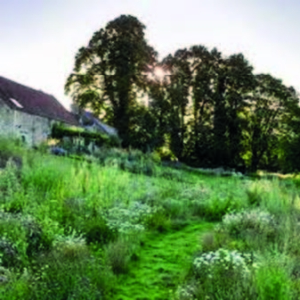
• A slightly ’wild’ look is the aim
• No neatly mown lawn; it is left natural
• Naturally spreading plants are preferred
• Designs that clearly show seasonal change are created
• Nature, not people, shapes the surroundings
Its Importance in Landscape Architecture
Rewilding is critical, especially for:
• Tackling climate change, for which it is extremely
important
• Reducing water consumption, where it is effective.
• Protecting soil health, which involves many
elements
• Creating natural habitats in cities
important
In fact, this approach marks a shift from classic landscaping to ’ecosystem design’
Rewilding gardening puts forward:
• Less maintenance
• Less water
• More nature
• More sustainable ways of living
And most importantly, for the world to become a better place, it will be not just one of the landscape trends of the future but the standard

The World’s Best Rewilding Examples
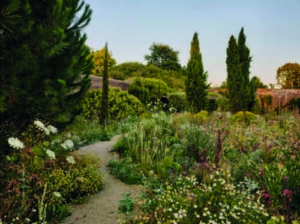
1. Knepp Estate (England)

Why does it matter?
• Farmland has been completely transformed into a natural ecosystem
• Animals were released and freed from stress (cattle, deer and pig-like species)
• Human intervention was kept to a minimum.
Result:
• An explosion in biodiversity
• Endangered species returned
• A ’rewilding + tourism’ model was created.
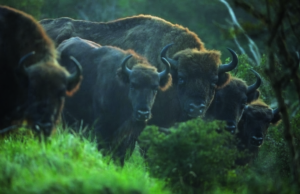
2. Oostvaardersplassen (Netherlands)

Why does it matter?
• A completely man-made area was handed back to nature
• Large grazers shaped the ecosystem
Result:
• It has become one of Europe’s most important bird habitats
• The wetland ecosystem has reached a natural balance
Important: It showed that rewilding is not only about restoring, but can also create a natural area from scratch.
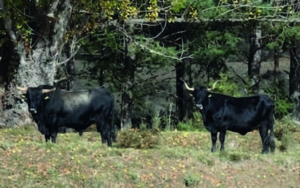
3. Rewilding Europe Iberian Highlands (Spain)

Why does it matter?
• Abandoned villages and depopulated rural areas were put to use
• Natural processes were restored
Result:
• Ecotourism developed
• The local economy was revived
It has also shown that rewilding can be used as a tool for economic development.
4. Iberá Wetlands (Argentina)
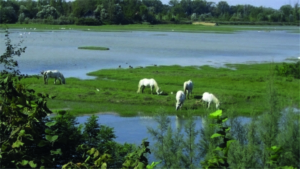
Why does it matter?
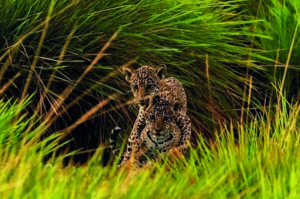
• Locally extinct species were brought back (including the jaguar)
• A huge wetland restoration was carried out, making a major contribution to the ecosystem.
Result:
• The ecosystem was rebuilt
• It is recognised worldwide as a model project
• Species reintroduction was achieved (rewilding’s most powerful tool)
5. Yellowstone National Park (USA)
Why does it matter?
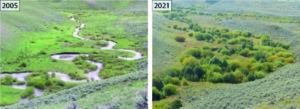
• Wolves have returned to the ecosystem
• The entire ecosystem changed and recovered
Result:
• Even the flow of the rivers changed for the better
• Vegetation returned
• A single species can change the whole system

Key Takeaways for Landscape Architecture
1. ’Design = stepping back’
• Sometimes the best intervention is no intervention.
2. Animals are designers
• Grazing animals shape the landscape
3. Aesthetics are changing
• ’Tidy garden’ → ’the aesthetics of natural process’
4. It must be combined with the economy
• Tourism
• Education
• Brand value