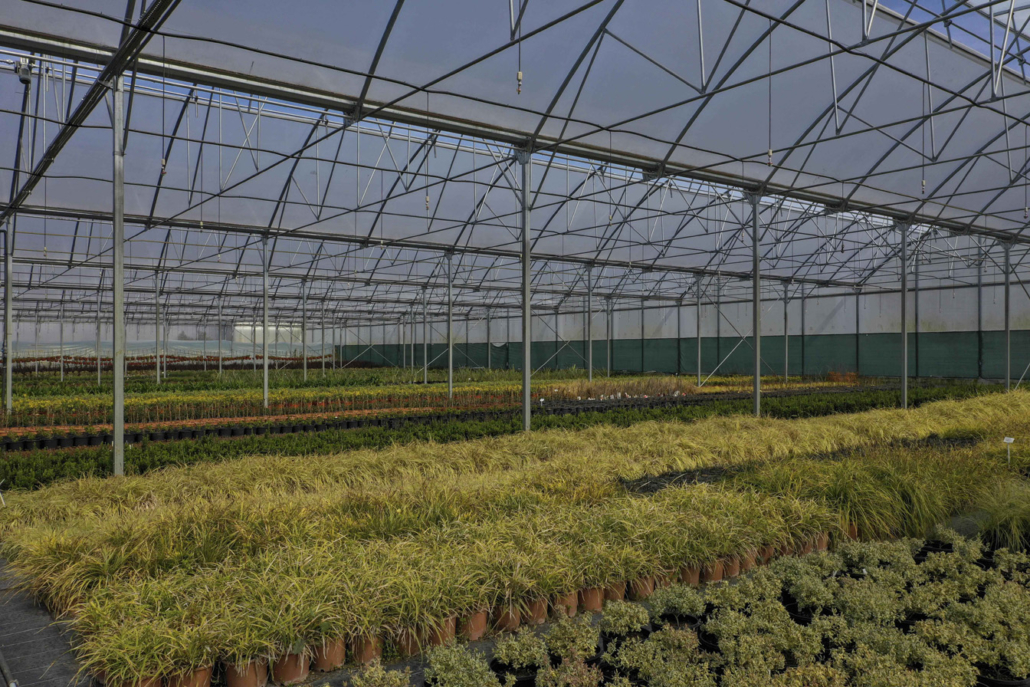
Whether a sapling will grow healthily for years is largely decided in its first days in the ground. When the right planting time is chosen, the root system adapts quickly to the new soil and the plant gets through its first summer heat with much less stress. Planting at the wrong time and with the wrong technique leads to drying out, stunted growth and disease.
Drawing on our production at our Yalova nursery under the supervision of our agricultural engineers and our planting experience on site, we have compiled what you need to know about planting saplings and trees.
The Best Time to Plant Saplings
The general rule is: plant while the plant is dormant or growing slowly and the soil is still warm and moist. In most of Turkey, the period that best meets these conditions is autumn. The soil is still warm enough for root growth, the air has cooled and the rains have begun; so the sapling roots over winter and enters spring strong.
However, the right time depends on how the sapling was produced:
Bare-Root Saplings
Fruit saplings and some deciduous trees are usually sold bare-root. These saplings should only be planted during dormancy, i.e. after leaf fall and before the buds break. In practice this covers November to March depending on the region. Do not plant on days when the ground is frozen or waterlogged.
Root-Balled Trees
For large trees lifted from the nursery with a root ball, the best periods are autumn and early spring. The risk of failure rises significantly for balled trees lifted and planted in midsummer.
Container-Grown Saplings
Plants whose roots have developed in a pot can be planted for most of the year because the root structure is not disturbed. Even so, the best results come in autumn and spring; when planting in summer, pay close attention to the watering schedule.
Evergreen Species
For evergreens such as olive, bay laurel, magnolia and conifers, the ideal time is early autumn while the soil is still warm, or spring once the risk of frost has passed. Avoid planting frost-sensitive species in midwinter.
Planting a Sapling Step by Step
- Choosing the spot: Consider the species’ sun requirements, mature size and distance from buildings. For choosing trees, see our guide to evergreen and fast-growing trees.
- Planting hole: Dig a hole at least twice the width of the root ball and as deep as the root ball is tall. Loosen compacted soil on the sides of the hole.
- Soil improvement: Mix the excavated soil with well-rotted organic manure or compost. Heavy clay soils need drainage. For details, see our guide to soil preparation and fertilising.
- Root check: On bare-root saplings, cut broken and rotten roots with clean secateurs; gently tease out roots that have circled in the pot.
- Correct depth: The root collar should be at soil level, and on grafted saplings the graft union must be above the soil. Planting too deep is the most common and most harmful mistake.
- Backfilling: Firm gently as you fill the hole with the prepared soil; water now and then to remove air pockets.
- Settling water: A generous watering immediately after planting settles the soil around the roots.
- Staking and tying: Use a stake in windy areas and for large saplings; tie with a flexible material that will not constrict the trunk.
- Mulch: Spread 5-8 cm of mulch over the root zone, but keep it away from the trunk.
First-Year Care After Planting
- Watering: In the first year, especially the first summer, regular deep watering is needed. Infrequent but deep watering rather than shallow, frequent watering encourages roots to grow deeper. Drip irrigation is the most efficient solution during this period.
- Fertilising: Do not put strong chemical fertiliser in the planting hole, as it can damage new roots. Fertilise in a balanced way in spring.
- Pruning: At planting, only broken, diseased and crossing branches are removed. Formative pruning of fruit saplings is planned according to the species; we cover this in our orchard guide.
- Winter protection: Young and frost-sensitive saplings should be protected with fleece and mulch in their first winter. More in our guide to protecting plants in winter.
What to Look for When Choosing a Sapling
A healthy sapling should have a straight, undamaged trunk, a vigorous and balanced root system and branches with a form typical of the species. Roots spilling out of the pot or circling inside it show that the plant has been kept in a small container for too long. Buying certified saplings suited to the regional climate from a reliable nursery is half the battle.
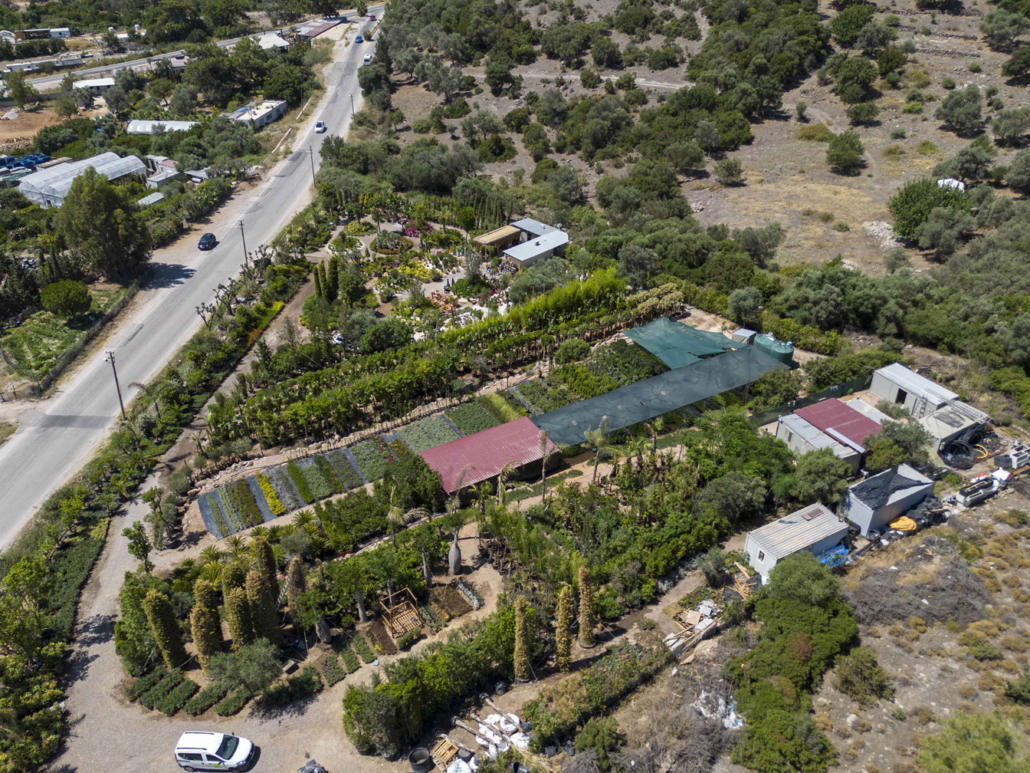
At Işık Peyzaj, we plant the plants we grow and supply in our Yalova, Riva and Bodrum nurseries in the right season and with the right technique as part of our softscape works, and we also plan their early care.
Frequently Asked Questions
What is the best month for planting saplings?
In most of Turkey, October and November are the most productive months because the soil is warm and moist. Bare-root saplings can be planted between November and March when the ground is not frozen.
Can saplings be planted in winter?
Deciduous bare-root saplings can be planted in winter if the ground is not frozen or waterlogged. Midwinter is not recommended for frost-sensitive evergreens.
Can saplings be planted in summer?
Only container-grown saplings can be planted in summer, with intensive, regular watering. Planting in hot weather increases the risk of drying out.
Should fertiliser be put in the hole when planting?
Well-rotted organic manure or compost can be mixed into the hole. Strong chemical fertiliser is not recommended as it can damage young roots.
To plan this season’s planting with our professional team, get in touch with us.