A hedge is one of the quickest ways to change the character of a garden. Well-chosen hedge plants provide privacy, cut wind and dust, soften street noise and give the garden a clear frame. The wrong choice, on the other hand, means a wall that either stays gappy for years or grows out of control.
In this guide, based on production in Işık Peyzaj’s nurseries and our field experience, we cover evergreen and fast-growing hedge plants, the conditions in which each stands out, and the finer points of planting and pruning for a long-lasting hedge.
What to Consider When Choosing a Hedge Plant
There is no single “best hedge plant” for every garden. The main criteria that determine the choice are:
- Target height: A 50 cm border and a 3-metre privacy screen are not made with the same species.
- Climate and location: Salt and wind on the coast, and frost and drought inland, are decisive.
- Sun/shade: Some species stay dense in partial shade while others thin out on the sunless side.
- Growth rate and maintenance: Fast-growing species close up quickly but need more frequent pruning.
- Visual character: Choose between glossy leaves, coloured new growth, flowers or needle-leaved textures.
Evergreen and Fast-Growing Hedge Plants
Privet (Ligustrum)
One of the most widely used hedge plants in Turkey. It grows fast, responds well to frequent pruning and quickly forms a dense wall. It tolerates urban conditions, pollution and different soil types. In very harsh winters some species may lose leaves, so the species and variety should be chosen according to the region.
Photinia
Known for varieties such as ‘Red Robin’, photinia adds colour to the hedge with bright red shoots in spring and after pruning. It grows moderately fast and can be kept in shape up to 2-3 metres. It likes well-drained soils that do not hold water.
Bay Laurel (Laurus nobilis)
The classic hedge plant of Mediterranean and Aegean gardens. Its dark green, aromatic leaves create a hedge that is both elegant and in keeping with the region’s identity. It tolerates drought and heat, grows at a moderate rate and takes very well to geometric shapes.
Cherry Laurel (Prunus laurocerasus)
With its broad, glossy leaves and fast growth, it is ideal for tall, full hedges. Its high shade tolerance means it also does well under trees or on north-facing sides.
Thuja and Leyland Cypress
The choice for those who want a dense, vertical, needle-leaved look. Leyland cypress grows very fast and quickly forms a tall screen, but can get out of control if not pruned regularly. Thuja is slower but more disciplined. In both species it is unrealistic to expect regrowth from old, browned wood, so pruning should be regular and moderate.
Japanese Pittosporum (Pittosporum tobira)
Stands out in coastal gardens thanks to its tolerance of salty winds. Its fragrant white spring flowers add extra value. It is one of the species we use most often in coastal projects such as Bodrum and Çeşme.
For Low Hedges and Borders: Boxwood and Alternatives
An essential of classic and formal gardens, boxwood (Buxus) grows slowly and allows very fine shapes. It should be noted that in recent years the box tree moth has made regular monitoring and, where needed, treatment necessary. As alternatives for low borders, Euonymus japonicus varieties, compact Ilex crenata and, in dry gardens, lavender or rosemary can be used.
Thorny Hedge Plants for Security
If a physical barrier is wanted at the garden boundary, firethorn (Pyracantha) and berberis species are effective options. Firethorn also offers visual value with its orange-red berries in autumn. These species are best not used right next to play areas and paths.
How to Plant a Hedge
- Ground preparation: A trench 50-60 cm deep and wide is dug along the hedge line and the soil enriched with organic matter. For details, see our guide to preparing garden soil.
- Planting distance: Although it depends on the species and plant size, single-row hedges usually have 2-4 plants per metre. For faster coverage, a double row in a staggered (zigzag) pattern can be used.
- Distance from walls and boundaries: Plant at least 50-60 cm in from a wall or fence so that both faces of the hedge can be pruned.
- Watering: A drip irrigation system along the hedge line guarantees root development in the first two years and saves water.
- Mulching: Mulch spread over the root zone after planting retains moisture and reduces weeds.
The best planting times for evergreen hedge plants are autumn, while the soil is still warm, and early spring once the risk of frost has passed. Container-grown plants can be planted for most of the year with proper care.
Hedge Pruning: The Secret of a Long-Lasting, Dense Hedge
The most common mistake with hedges is leaving the top wider than the base. The lower branches then get no light and the hedge thins at the bottom. The correct shape is a slightly trapezoidal section, a little wider at the base than at the top. Fast-growing species generally need 2-3 trims a year and slow-growing ones 1-2. Avoiding heavy pruning during the bird nesting season (late spring) is also a nature-friendly practice.
Light tipping in the first years after planting encourages side branching and helps the hedge fill out from the base. For regular care, ask about our landscape maintenance service.
Which Hedge Plant for Which Garden?
- Coastal and windy areas: Pittosporum, bay laurel, Euonymus, Elaeagnus.
- Quick privacy: Privet, cherry laurel, Leyland cypress.
- Colour and dynamism: Photinia.
- Formal and classic gardens: Boxwood, Ilex crenata, bay laurel.
- Shady side: Cherry laurel, Euonymus.
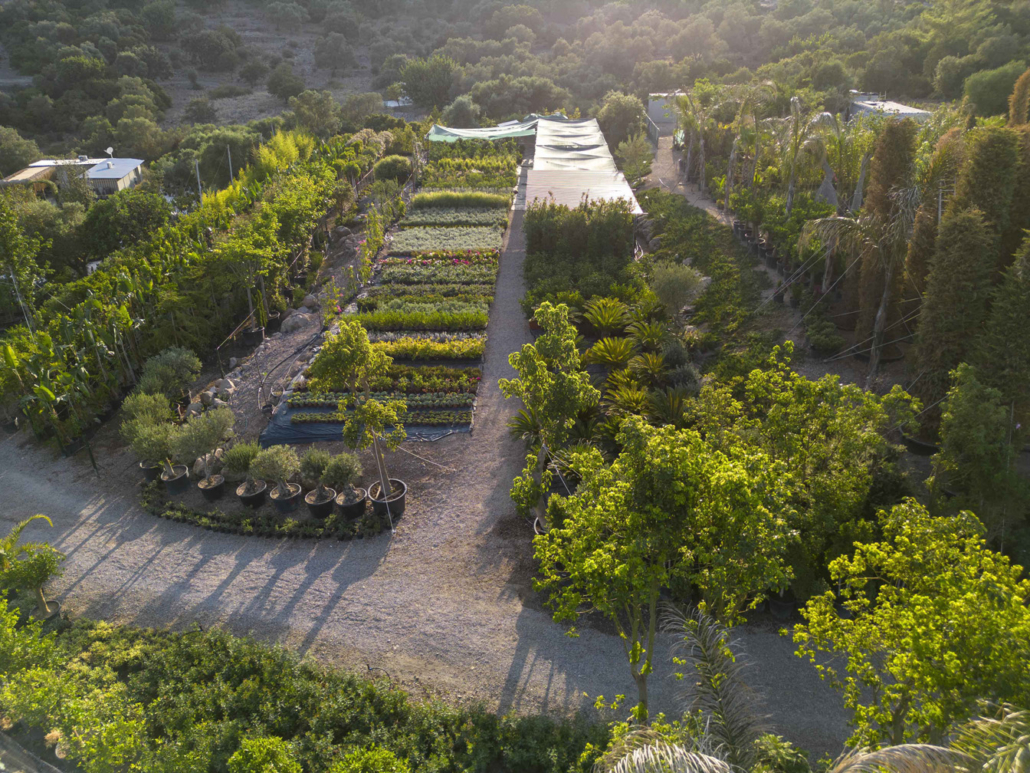
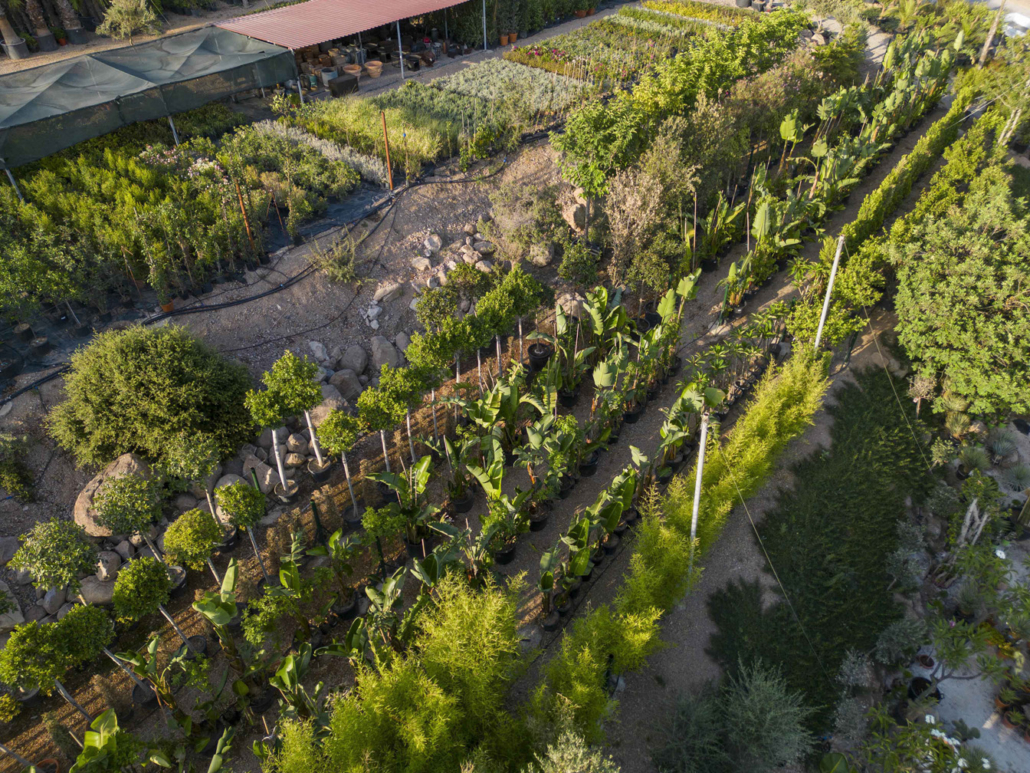
At Işık Peyzaj, we grow and supply hedge plants in different sizes and forms in our Riva, Bodrum and Yalova nurseries and plant them on site as part of our softscape works. Using larger, pre-shaped plants makes the hedge effective in its first season instead of after years.
Frequently Asked Questions
What is the fastest-growing hedge plant?
Leyland cypress, privet and cherry laurel are among the fastest-growing species. But speed should not be the only criterion; fast-growing species need more frequent pruning.
Which hedge plants keep their leaves in winter?
Bay laurel, photinia, cherry laurel, pittosporum, boxwood, thuja and Leyland cypress are the main options that stay green all year.
When are hedge plants planted?
Autumn is the ideal time; early spring is also suitable. Container plants can be planted for most of the year with correct watering.
How far apart should hedge plants be?
Depending on the species and plant size, usually 25-50 cm, i.e. 2-4 plants per metre.
To choose the right hedge plant for your garden and leave the installation to our professional team, get in touch with us.