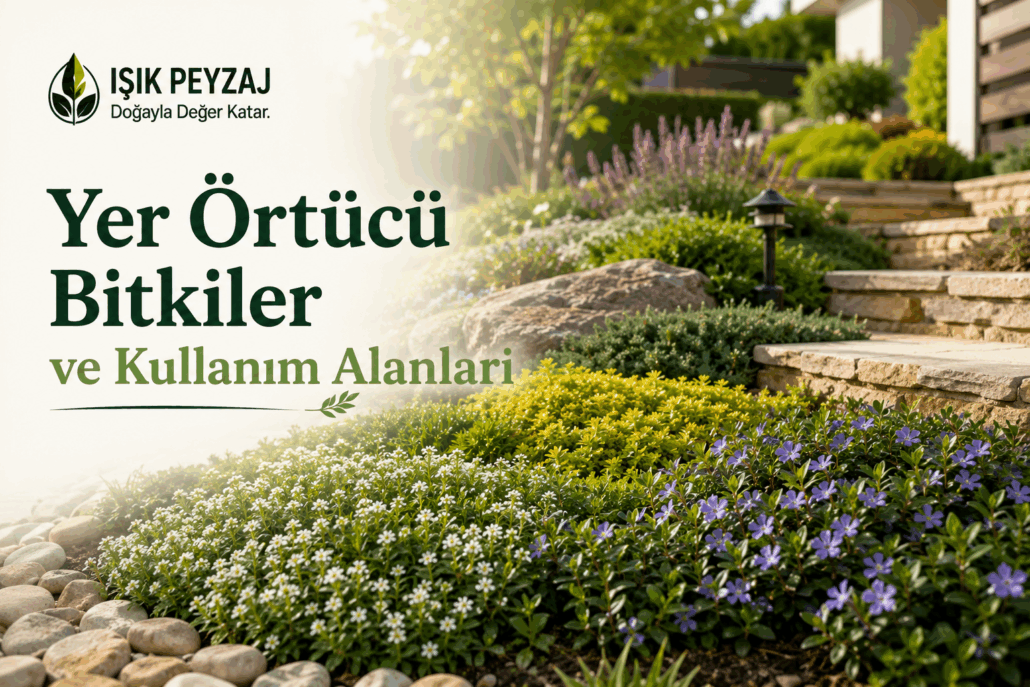
In garden and landscape design, function matters as much as appearance. Ground cover plants, chosen to protect the soil, reduce weeds and give green areas a more natural look, are now widely used in private gardens and professional landscape projects alike.
On slopes, rock gardens, roadsides and large green areas where lawn is not always practical, ground cover plants offer an economical and long-lasting solution. With their different colours, textures and growth habits, these plants reduce maintenance and enrich the landscape visually when planned correctly.
Helping to reduce water use, particularly in dry climates, ground cover plants have become an important part of sustainable landscaping. With the right choice of species, it is possible to create living spaces that are both attractive and environmentally friendly.
What Is a Ground Cover Plant?
Ground cover plants are species that grow horizontally and cover the soil surface, forming a natural carpet over large areas. Because they spread quickly, they stop the soil being left bare and create a natural green texture.
These plants are not only decorative. They also protect the soil from erosion, reduce moisture loss and largely suppress weeds.
Many ground cover species chosen as an alternative to lawn have been used more and more in landscape projects in recent years because they need less maintenance.
What Are the Benefits of Ground Cover Plants?
Well-chosen ground cover plants bring many aesthetic and functional benefits to gardens.
The main benefits are:
- They protect the soil from the sun.
- They reduce weeds.
- They help prevent erosion.
- They help retain soil moisture.
- They can reduce the need for irrigation.
- They need less maintenance than lawn.
- They give the garden a natural, tidy look.
- They offer aesthetic variety with different colours and textures.
On slopes in particular, their roots hold the soil and can prevent surface slips after rain.
Where Are Ground Cover Plants Used?
These plants have a very wide range of uses.
The most common uses are:
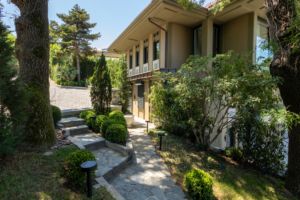
Villa Gardens
They create a natural look under trees, along footpaths and in areas where lawn is hard to grow.
Rock Gardens
Used together with stone, they give the landscape a natural and attractive character.
Sloping Sites
They hold the soil, reduce erosion and keep maintenance to a minimum.
Parks and Green Spaces
In landscape schemes created by municipalities, they allow large areas to be planted economically.
Roadsides and Central Reservations
With drought-tolerant species, they can look good for many years without intensive maintenance.
The Most Popular Ground Cover Plants in Landscaping
Every plant has a different purpose, so the species should be chosen according to the climate and the area where it will be used.
Ice Plant (Aptenia cordifolia)
With its fast growth and purple-pink flowers, it is one of the most popular ground cover species.
Being drought-tolerant, it does particularly well in hot climates.
Gazania
Eye-catching with its colourful flowers, sun-loving Gazania blooms profusely in open areas.
Thanks to its low maintenance needs, it is often used in parks and gardens.
Verbena
A spreading plant, verbena brings movement to landscape projects with its long flowering period.
It looks especially good in border plantings and along footpaths.
Dwarf Juniper Species
Evergreen all year, they form a natural cover over large areas.
Being drought-tolerant, they are very cheap to maintain.
What to Consider When Choosing Ground Cover Plants
Not every ground cover plant suits every area. To choose correctly, the plant’s growth habit, the climate and the area where it will be used should be considered together. The wrong species can lead over time to uneven growth, higher maintenance costs and a spoiled appearance.
The main criteria to consider when choosing plants are:
- Suitability for the climate
- Sun or shade preference
- Compatibility with the soil
- Water needs
- Rate of spread
- Maintenance requirements
- Seasonal appearance
- Compatibility with other plants
In hot climates especially, choosing drought-tolerant species saves water and makes maintenance easier in the long run.
How to Plant Ground Cover Plants
For a successful landscape installation, planting is as important as plant selection. Poorly prepared soil and incorrect spacing can hold back plant growth.
The general planting process consists of the following steps:
Prepare the Soil
Before planting, weeds should be cleared, the soil aerated and, if necessary, enriched with organic matter.
Well-drained soils should be preferred for healthy root growth.
Set the Right Spacing
Planting distances should be planned according to how fast the plants spread.
Planting too densely can reduce air circulation in later years, while planting too sparsely means the area takes longer to fill in.
Water Regularly at First
The first few weeks after planting are critical for root development.
During this period water regularly, then set an irrigation schedule based on the plant’s needs.
How to Maintain Ground Cover Plants
Although ground cover plants need less maintenance than lawn, maintenance at certain times of the year is important for healthy growth.
Maintenance tasks to keep in mind are:
- Control weeds regularly.
- Remove dead leaves and branches.
- Prune seasonally.
- Apply organic fertiliser when needed.
- Adjust the irrigation schedule to the season.
- Don’t neglect pest and disease checks.
With the right maintenance, plants stay lush for years and keep covering their area healthily.
Ground Cover Plants or Lawn?
One of the most common questions in landscape projects is whether to choose ground cover plants or lawn. Both have advantages, and the decision should depend on how the space will be used.
Ground cover plants:
- Use less water.
- Need less maintenance.
- Perform better on slopes.
- They reduce weeds.
- Offer different colours and textures.
Lawns are better suited to large areas that are used actively and to sports, but they need regular mowing, watering and fertilising.
So in decorative gardens and areas where low maintenance is the goal, ground cover plants can be the better option.
Conclusion
Besides their good looks, ground cover plants are an important plant group that protects the soil, reduces maintenance and supports sustainable landscaping. With the right species and professional installation, they offer long-lasting, natural solutions in many settings, from villa gardens to parks and from slopes to commercial landscape projects.
By choosing species suited to the climate, planning planting correctly and maintaining them regularly, these plants can keep growing healthily for years. Today, as saving water becomes ever more important, ground cover plants remain an essential part of modern gardens, offering landscaping solutions that are both environmentally friendly and economical.