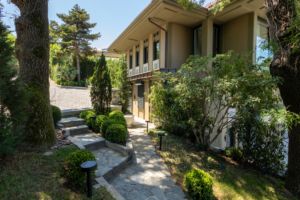
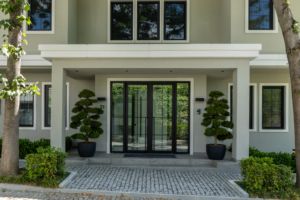
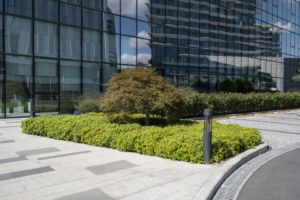
A villa garden is not just the green space around the house but the extension of the architecture outdoors. A well-planned villa garden design sets the stage for every moment of the day, from morning coffee to evening gatherings; pool, terrace, plants and light work as one. Drawing on our experience in hotel, residential and private villa projects, we have compiled the key principles behind a luxury outdoor space.
1. Spatial Layout: Thinking of the Garden as Rooms
Successful villa gardens are divided into zones by function, just like interiors, and these zones are linked by smooth transitions:
- Arrival and entrance: The area that creates the guest’s first impression, defined by axes, lighting and accent plants.
- Living terrace: A shaded seating and dining area connected to the living room. We cover this in detail in our article on outdoor seating area design.
- Pool and sunbathing zone: The social heart of the garden.
- Quiet corners: Private, green-framed spaces for reading, relaxing or meditation.
- Functional areas: Kitchen garden, service entrance, technical spaces and storage; these should be screened from visible areas with planting.
2. Poolside Landscaping
The pool is the focal point of a villa garden, and the landscape around it needs careful planning both aesthetically and technically.
Plants Suitable for Poolsides
When choosing plants around a pool, leaf, flower and fruit drop, root structure, thorns and tolerance of chlorinated water should be considered as much as appearance. Successful options include:
- Palms: The quickest way to create a resort atmosphere; they drop few leaves and their roots are relatively controlled.
- Ornamental grasses and Phormium: Their wind-moved textures contrast beautifully with the still surface of the pool.
- Pittosporum, Westringia and bay laurel: Evergreen shrubs that can be kept in shape provide privacy and a green frame.
- Strelitzia (bird of paradise): Creates a tropical, sculptural accent in warm coastal climates.
- Aromatic plants: Lavender and rosemary add fragrance to sunbathing areas, but as they attract bees they should be placed a little further back, not right beside the loungers.
What to avoid: Trees that drop lots of leaves and flowers (they constantly clog filters), spiny and sharp-tipped species (agave, some yuccas and cacti), trees with strong surface roots and species whose fruit stains paving should be kept away from the poolside.

Paving and Safety
Paving around a pool should be non-slip, comfortable to walk on barefoot and should not overheat in the sun. Light-toned travertine, natural stone with a non-slip finish and timber or composite decking are the most popular solutions. The paving should fall away from the pool and buildings, and surface water should be drained in a controlled way. You can explore material options in our articles on natural stone paving and hardscape landscaping.
3. Privacy: Seeing Without Being Seen
Privacy is one of the most valuable aspects of villa living. Using layered planted screens instead of high walls gives a softer and more prestigious result. Combining layers of trees, hedges and shrubs blocks neighbours’ views while preserving your own. To choose the right species, see our guide to hedge plants.
4. Framing the View
In villas with sea, forest or city views, the landscape should frame the view rather than block it. Low plants are used along sight lines and tall, vertical elements at the edges, presenting the view like a painting. On sloping sites, terracing and retaining walls create usable level areas and add layered depth to the view.

5. Shade, Water and Light
- Shade elements: Pergolas, timber canopies and well-placed trees make the terrace usable in summer. You can find options in our article on pergola designs.
- Water features: In addition to the pool, small fountains, reflecting pools and wall cascades add sound and coolness to the garden. Explore our water feature work.
- Lighting: Accent lights on tree trunks, path lighting and underwater pool lighting make the garden liveable at night too. More in our landscape lighting guide.
6. The Invisible Infrastructure
The longevity of a luxury garden depends on the infrastructure correctly installed below ground. Automatic irrigation, drainage, lighting cabling and pool technical lines should be planned as a whole before planting. Our landscape infrastructure works cover this entire process.
Villa Projects with Işık Peyzaj
With more than 25 years of experience, we handle design, plant supply and installation under one roof for hotel, residential and villa projects from Istanbul to Bodrum and from Alaçatı to Kemer. With large trees and mature plants prepared in our own nurseries, villa gardens look established and mature from the day they are handed over. You can explore one of our completed works, the V21 Villa project.
Frequently Asked Questions
Which plants should be planted by the pool?
Palms, ornamental grasses, Phormium, Pittosporum, Westringia and, in warm climates, Strelitzia are suitable low-litter species for poolsides.
Which trees should not be planted by the pool?
Species that drop a lot of leaves, flowers or fruit, have surface roots or are thorny should be kept away from the poolside.
What is the best paving material around a pool?
Light-toned travertine and natural stone with a non-slip finish, as well as timber or composite decking, are the most popular options because they stay cooler in the sun and are safe underfoot.
How long does villa garden design take?
The size, slope and scope of the site are decisive. Design, approval and installation can take anywhere from a few weeks to a few months depending on the project.
To create a bespoke landscape project for your villa, get in touch with us.