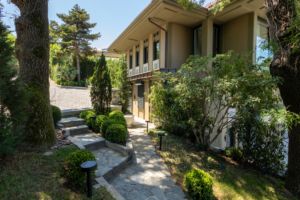
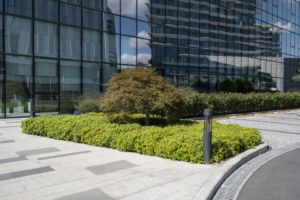
The landscape of a hotel or resort is not simply an aesthetic choice. It shapes the atmosphere guests are in at every moment, from arrival to departure; it reflects the brand’s identity and sets you apart from competitors where it matters.
When hotel landscaping is poorly planned, the whole falls apart however luxurious the interiors are. When it is planned well, the landscape becomes an asset that makes the guest experience memorable, brings guests back and creates visual moments worth sharing on social media.
In this guide we look at the basic principles of hotel and resort landscaping, approaches that vary by project type, technical requirements and long-term management models.
You can see the prestigious hotel projects we have completed, including Vakko Hotel Sumahan Bosphorus, Kempinski Residences Alaçatı and Rixos Hotel Tersane Istanbul, on our reference projects page.
Design Principles in Hotel Landscaping
Hotel landscape design should be approached with a different mindset from residential or office landscaping. Used every day by hundreds of guests, managed by the operations team and one of the brand’s most visible faces, the success of this space depends on a few basic principles.
Integration with Brand Identity
The landscape is part of the brand’s unspoken story. A tropical, exotic language is natural for a five-star resort, while a simple, contemporary landscape language may suit a boutique city hotel better. The architecture, interior design and landscape should speak with one voice.
Plant selection, paving materials, water features, lighting and landscape furniture should be treated as one integrated design decision. Decisions taken piecemeal end in an inconsistent result.
Mapping the Guest Experience
Which landscape elements does a guest encounter from the moment they arrive until they leave? The answer forms the backbone of the design.
Entrance axis and building frontage: the first impression is made here. An impressive entrance landscape instantly raises expectations.
Pool surrounds: the most heavily used area. It needs the most careful design, both visually and functionally.
Restaurant and terrace areas: a landscape that blends with the dining experience encourages guests to spend more time there.
Footpaths and relaxation areas: routes that create a sense of discovery and hold surprise corners add to guest satisfaction.
Spa and wellness areas: a calming landscape language that creates a sense of connection with nature comes to the fore here.
Ease of Operation and Realistic Maintenance
A striking design loses its value in the long run if it needs a maintenance programme that can’t be managed in practice. In hotel landscape design, every plant species, paving material and water feature should be chosen with maintenance costs and operational difficulty in mind.
Choose low-maintenance species. High-maintenance plants add to the operations team’s workload and can’t be kept healthy over time.
An automatic irrigation system is essential. In a large hotel, manual watering wastes both staff time and water.
Choose durable hardscape materials. Footpaths and terrace floors used by hundreds of people every day wear far faster than in a home garden.
Hotel Landscaping Approaches by Project Type
Luxury City Hotels
Space is limited but expectations are high. Small but effective landscape interventions — a striking entrance, uplighting, vertical garden façades and terrace gardens — create maximum impact in a limited space.
In city projects, green walls and interior landscaping and landscape lighting solutions are frequently chosen complements.
Coastal and Resort Hotels
Space is usually generous, but the climate is harsh: salt spray, strong winds and high humidity. Salt and wind tolerance should be the primary criterion in plant selection. Palm species, oleander, agave and Mediterranean plants suited to a coastal climate form the basis of these projects.
Pool surround design is the most critical landscape point in coastal resort projects. The transition landscape between the pool and the sea or green areas becomes the hotel’s most photographed, most remembered view.
Mountain and Nature Hotels
Blending with nature, not obstructing it, is the basic design principle. Local flora should be preferred, and artificial landscape elements that spoil the natural look avoided. Natural stone, native tree species and footpaths that follow the topography are characteristic of these projects.
Boutique and Design Hotels
Identity and originality come before everything. The landscape, like the interiors, should have a strong editorial voice. An ordinary landscape clashes with extraordinary architecture. These projects call for a creative, original design language.
Key Landscape Areas: A Closer Look
Pool Surround Landscaping
The pool surround is the most heavily used and most visible part of a hotel landscape. The following factors are decisive in design decisions:
Paving: pool-side surfaces should be made from materials that are non-slip when wet, don’t burn feet in the heat and aren’t damaged by chlorine. Anthracite basalt, light-coloured travertine and porcelain with a special surface finish are suitable for this use.
Planting: species that drop leaves into the pool create extra cleaning and should be avoided. Palms, agave, yucca and tough-leaved species are standard choices for pool surrounds.
Shade: trees providing natural shade, pergolas and the positioning of umbrellas should be planned together, both ergonomically and aesthetically.
Lighting: at night, the atmosphere around the pool is completely transformed by a thoughtful lighting design. Underwater and surrounding lighting must be planned together.
You can find detailed information about our water feature services and landscape lighting solutions.
Entrance Axis and Building Frontage
The first impression is made here. From the moment guests step out of the car at the door, they are in the landscape. This 30–60 second experience sets expectations.
Large specimen plants — big olive trees, mature palms, striking groups of shrubs — are a powerful tool for an impressive entrance landscape. Symmetrical planting parallel to the entrance axis, with the same species lined up on both sides of the drive, directs the eye towards the hotel and creates a sense of prestige.
Restaurant and Terrace Areas
When the dining experience blends with the landscape, guests tend to stay longer and spend more. Terrace planting serves both aesthetic and acoustic purposes: plant groups block the wind, soften noise and naturally separate different areas of use.
Landscape furniture — benches, sun loungers and picnic units — completes terrace and outdoor schemes.
Technical Requirements: Infrastructure at Hotel Scale
Irrigation System
Manual watering is unthinkable at hotel scale. The industry uses fully automatic drip irrigation systems zoned by plant species and location and controlled by timers and moisture sensors. The system should be remotely monitored and adjustable.
You can find out about irrigation system design and installation as part of our landscape infrastructure services.
Lighting Infrastructure
Hotel landscape lighting must meet three functions together: safety, aesthetics and atmosphere. LED technology has become standard for both energy efficiency and long life. Plant spotlights, low path lights, water feature lighting and façade lighting should be designed in coordination.
Drainage and Surface Water Management
Large hardscape areas — pool surrounds, terraces and footpaths — must be supported by a drainage system that removes rainwater quickly. Inadequate drainage causes discomfort and, over time, damage to the paving.
Long-Term Maintenance: The Operating Model
For a completed hotel landscape to keep its long-term value, a systematic maintenance programme is needed. This programme runs on one of two models:
In-house maintenance: in small and medium-sized hotels, a trained team of gardeners handles day-to-day maintenance. This model places a constant staffing burden on the business.
Professional maintenance contract: a maintenance contract with a landscape company covers seasonal work, irrigation system checks, plant health monitoring and emergency call-outs. In large hotels this model is more efficient in terms of both cost and quality.
For hotel landscape maintenance services, get in touch with us.
Işık Peyzaj Hotel and Resort Landscape Projects
The experience we have gained on leading hotel and resort projects in Turkey, such as Vakko Hotel Sumahan Bosphorus, Kempinski Residences Alaçatı, Rixos Hotel Tersane Istanbul, Prive Kemer and ID Bodrum, is the expertise we bring as standard to every new hotel project.
For your hotel or resort landscape project, you can explore our service page or request a project meeting through our contact form.